
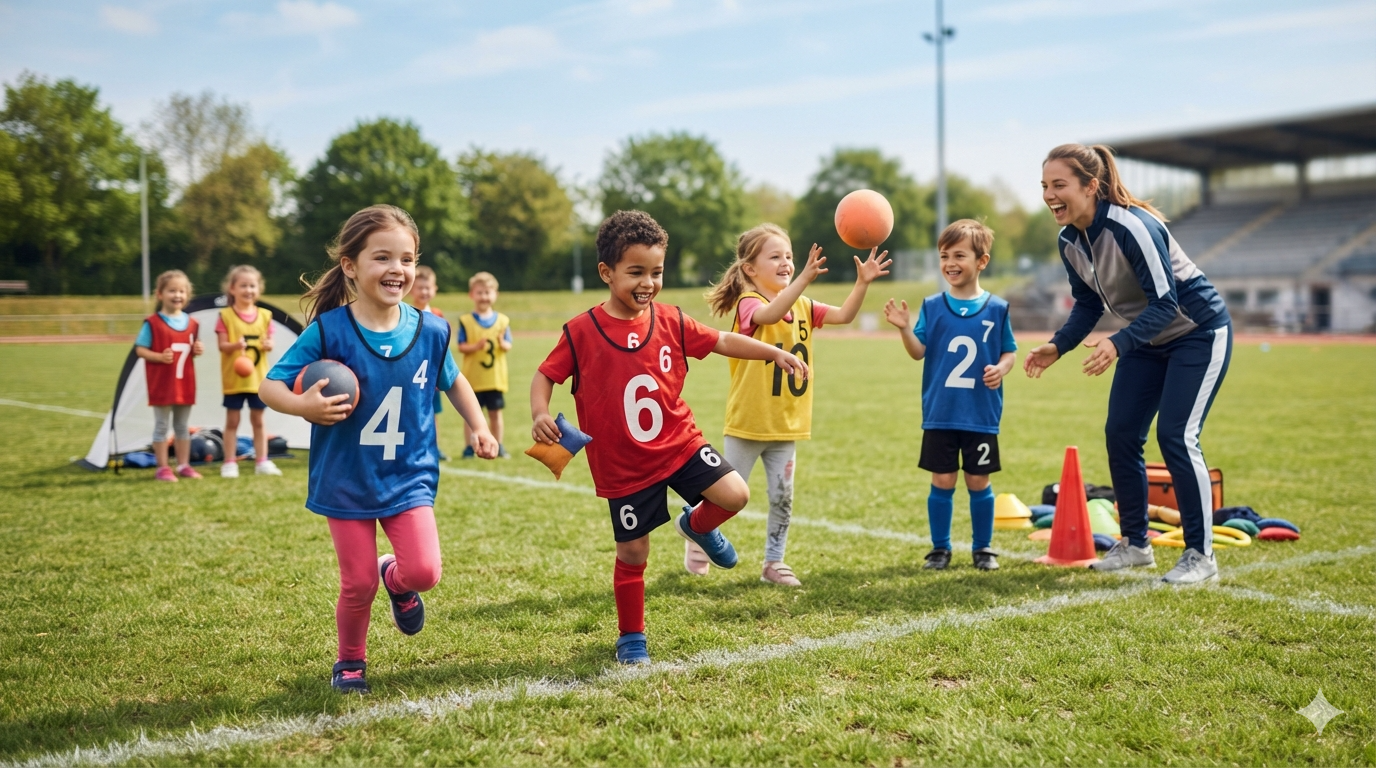
Welcome to the exciting world of Base Sport! Have you ever wondered how great athletes start their amazing journeys? Every single champion begins at the exact same starting line. They do not jump right into complex games or heavy competitions. Instead, they focus on a solid foundation known as a base sport. Think of this concept as building a tall house. If your house does not have a strong concrete floor, it will fall down when the wind blows hard. In the same way, your body needs a strong physical starting point before you can run fast or jump high. Grassroots programs and youth training systems give kids the right tools to move safely. When you practice basic movements like running, catching, and balancing from an early age, your brain and muscles learn to work together smoothly. This initial phase is all about having fun, learning rules, and keeping your body active without any heavy stress. Let us dive deep into why this foundational approach matters so much for everyone.
What Is a Base Sport?
A base sport refers to any physical activity practiced from childhood with a primary focus on education and personal growth. Unlike professional leagues that care only about winning trophies, a base sport prioritizes learning core movement skills. Imagine a young child kicking a soft ball in a local park. They are not worrying about complex tactics or global rankings. They are simply discovering how their legs move and how to aim at a target. These early physical activities shape how children view exercise for the rest of their lives. When kids enjoy their first experiences, they grow up loving fitness. Schools and community centers play a massive role in offering these welcoming environments. By keeping rules simple and equipment safe, coaches make sure that every participant feels included. This formative stage builds strong character, teaches teamwork, and creates healthy habits that last well into adulthood.
The Core Importance of Grassroots Movement
Grassroots activity sits right at the heart of every successful athletic system. When we talk about a base sport in local communities, we mean open access for people of all ages and backgrounds. You do not need expensive gear or fancy training centers to start moving. A simple pair of sneakers and an open field are often more than enough. Local clubs and neighborhood leagues focus on participation rather than elite competition. This open approach helps children discover which physical activities they truly love. Some kids might prefer running track, while others lean toward team games like soccer or basketball. Trying multiple options helps build a well-rounded physical profile. Furthermore, community programs teach vital social lessons. Kids learn how to share equipment, cheer for their peers, and handle losing a match with grace. These life lessons are just as important as physical strength.
Building Blocks of General Physical Strength
Before an athlete can specialize in one specific game, they need general physical preparedness. A strong base sport routine develops fundamental motor skills like agility, balance, and coordination. Think about a young gymnast or soccer player. Before they master difficult tricks or complex plays, they learn how to roll, crawl, and sprint efficiently. These universal movements train the nervous system to adapt to new challenges quickly. If you only practice one exact motion over and over, your muscles can become tight and prone to injury. Diversifying your early training prevents overuse injuries and keeps your body balanced. Coaches often use fun tag games and obstacle courses to build these foundational attributes. As a result, children develop natural body awareness that protects them when they try harder sports later in life.
Youth Development and Early Training Phases
Youth sports development requires a careful and patient approach. Introducing a base sport too aggressively can burn children out quickly. Experts recommend keeping early sessions playful, short, and focused on skill exploration. When training feels like a joyful game rather than a strict job, kids naturally want to practice more. During these formative years, winning should never be the main goal. Instead, celebrating personal improvement creates a positive mindset. For example, a coach might praise a child for trying a new pass instead of focusing on the final score. This encouraging style builds high self-confidence. Young athletes learn that making mistakes is simply part of learning. By removing the pressure of perfection, community programs foster a lifelong passion for physical health and active living.
Transitioning From Foundation to Specialization
Every athlete eventually reaches a crossroads where they must decide whether to specialize. After mastering a base sport, teenagers often choose one specific path to pursue more seriously. However, rushing this transition is a common mistake. Specialists who skip a broad athletic foundation often face burnout or chronic joint injuries by their late teens. A solid base sport background ensures that bones, tendons, and ligaments are strong enough to handle intense workloads. When a soccer player spends their early years also swimming or climbing trees, their entire muscular system develops evenly. Once they finally narrow down their focus, their overall athletic ceiling becomes much higher. Patience during the early years always pays off with longer and healthier athletic careers.
The Role of Schools and Community Programs
Schools remain the most important engine for driving foundational physical education. Physical education classes introduce children to a wide variety of activities under professional supervision. Through school sports days and intramural leagues, every student gets a chance to participate. Local community centers complement these efforts by offering affordable evening and weekend programs. These collaborative spaces ensure that financial barriers do not stop children from staying active. When parents, teachers, and local coaches work together, they create a safety net that encourages continuous movement. Investing in community facilities means giving the next generation a safe place to run, learn, and grow together. Strong local infrastructure is the true backbone of any successful national athletic program.
Mental Benefits of Early Physical Activity
Physical movement offers incredible rewards for mental health and emotional well-being. Participating in a base sport helps children release built-up energy and reduces daily stress. When kids run around outside, their brains release happy chemicals that improve their mood and focus. Furthermore, team environments teach children how to communicate effectively with others. Working together toward a common goal builds empathy and mutual respect. Children learn to listen to instructions, support struggling teammates, and celebrate shared victories. These psychological benefits translate directly into better performance in the classroom. Active children often display higher concentration levels and better emotional control when facing daily academic challenges.
Common Misconceptions About Athletic Training
Many people mistakenly believe that specialized training should begin as early as possible. Parents sometimes think their child must play one single game year-round starting at age five to become a pro. Research consistently proves this theory wrong. Early specialization often leads to physical fatigue and psychological exhaustion. A varied base sport routine prevents these issues by keeping training fresh and exciting. Another common myth is that fitness requires expensive equipment or private coaching. In reality, the best developmental gains come from unstructured free play in backyards and neighborhood streets. Letting kids invent their own rules and games fosters creativity and genuine love for movement.
The Future of Grassroots and Community Sports
As technology and screen time dominate modern daily life, preserving active lifestyles is more critical than ever. Communities worldwide are redesigning public parks and indoor spaces to welcome active youth engagement. Digital tracking tools and fun gamified fitness apps are also helping kids stay motivated. However, the core values of physical movement remain unchanged. A successful base sport framework will always rely on human connection, joyful play, and safe guidance. By supporting local initiatives and encouraging children to step outside, we build a healthier society. The future of global athletics depends entirely on how well we nurture our youngest participants at the grassroots level today.
Detailed Comparison Table: Foundation vs. Specialization
| Feature | Foundation / Base Phase | Specialization Phase |
| Primary Goal | Education, fun, and overall motor skills | Peak performance and competitive success |
| Age Group | Early childhood and pre-teen years | Adolescence and adulthood |
| Activity Variety | High variety (running, swimming, throwing) | Low variety (focused on one specific discipline) |
| Pressure Level | Very low; focus is on personal growth | Moderate to high; focus on outcomes |
| Injury Risk | Low due to balanced muscle development | Higher due to repetitive strain |
Frequently Asked Questions (FAQs)
What exactly is a base sport?
A base sport is an introductory physical activity practiced primarily during childhood for educational and developmental purposes. It teaches fundamental motor skills without intense competitive pressure.
Why is early physical foundation important for children?
It builds a strong physical and mental framework, ensuring that bones, muscles, and coordination develop evenly before intense specialization begins.
At what age should a child specialize in one sport?
Most sports science experts recommend waiting until late adolescence (around age 14 or older) to specialize, keeping early years broad and exploratory.
Can adults participate in grassroots sports?
Absolutely! Grassroots activities are designed for people of all ages to maintain health, social connections, and recreational enjoyment.
How do base sports prevent injuries?
By engaging different muscle groups through varied movements, they prevent the repetitive strain injuries that often plague early sports specialists.
What equipment do I need to start a foundational sport?
You usually need very little equipment—just comfortable clothing, supportive sneakers, and an open, safe space to run and play.
Conclusion
Building a strong physical future always starts with the right fundamentals. Embracing a base sport approach ensures that children and adults alike stay active, healthy, and deeply connected to physical well-being. Whether you are a parent looking for local activities or an educator shaping school programs, prioritizing fun movement makes all the difference. Take a moment today to explore a local park, sign up for a community league, or simply go outside and play. Share your favorite childhood movement memories in the comments below, and start your active journey today!